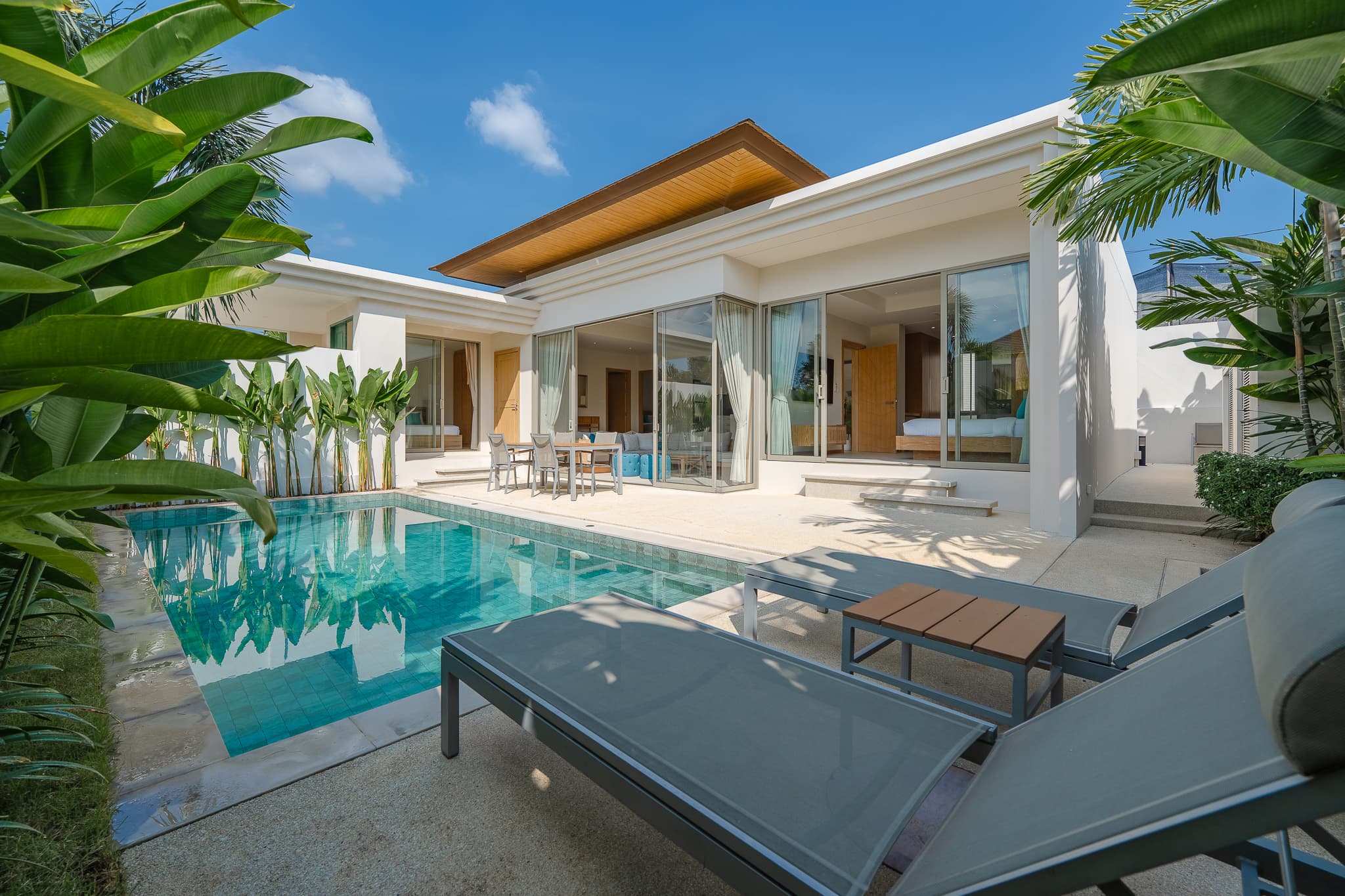
Villa care
Villa care for absentee owners in Phuket
Your villa is empty most of the year and you think about it more often than you would like. This is for owners who want the house genuinely looked after, whether or not it ever earns a night.
The empty house
What a closed villa in Phuket actually goes through.
None of this is dramatic. It is slow and ordinary, and it is why a house left alone here ages faster than a lived-in one.
Mould, from May onwards
The monsoon runs May to October and the air stays saturated for weeks. In a house sealed and still, mould appears on the backs of wardrobes, on curtain linings, on leather and down the cool side of external walls. Caught early it wipes off. Left a full season, it is in the foam and the plaster.
The pool turns in about a week
Stop the pump, or lose power to it, and a Phuket pool goes from clear to green faster than owners expect. A week of sun and rain will do it. A month and it is a drain-and-scrub job. If the level dropped below the skimmer while the pump ran on, the pump is the larger bill.
The garden takes the driveway back
Nothing here stops growing. Six weeks of rain and the lawn is knee-high, vines through the fence line; longer and roots work at paving and pool coping. Palm fronds fall heavy enough to break a roof tile. Termites come up from the soil in mud tubes, and an empty house gives them months of quiet.
Water finds a way in
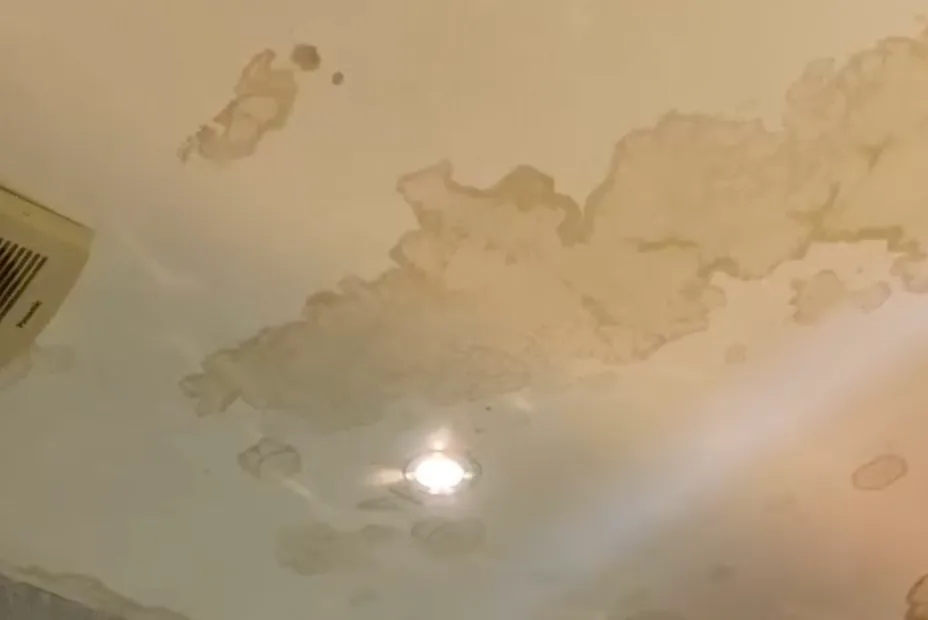
Roof leaks rarely announce themselves. A lifted tile, a blocked gutter, a silicone seal gone brittle under the UV: the first sign is a stain on a ceiling, and by then the plasterboard has been wet a while. Storm damage caught the same week is cheap to put right. Found in November, it is not.
The power goes off and nobody notices
Cuts are common, particularly in storm season, and a breaker that trips during one stays tripped until somebody resets it. That means a freezer defrosting in the heat, the pool pump off, and any dehumidifier off with it. A generator needs starting under load now and then, or it will not start when you need it.
The visit
What an inspection actually is.
Home watch is either a real walk-through with a record at the end, or it is somebody who drove past.
The same route, every time
A visit follows a fixed order: every room, every wet area, under the sinks, behind the wardrobes, into the plant room, along the roof line, then the boundary. Meter readings go in the report, because a jump in the water reading is often the first sign of a leak nobody can see.
Machines get run, not looked at
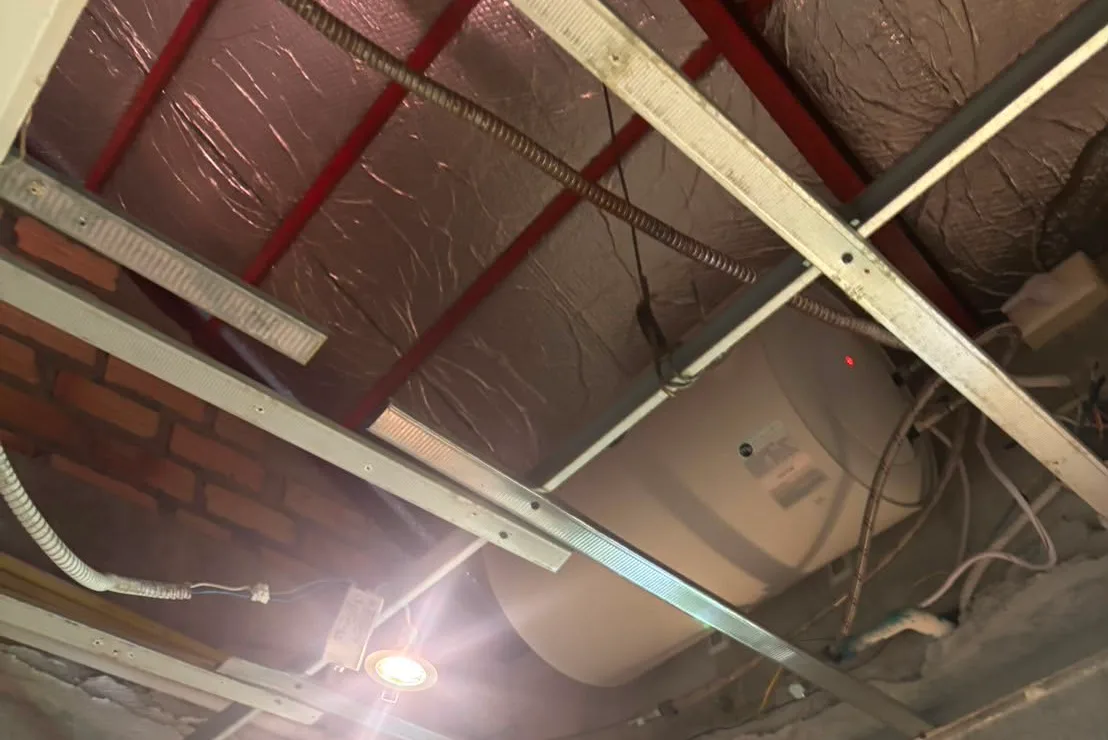
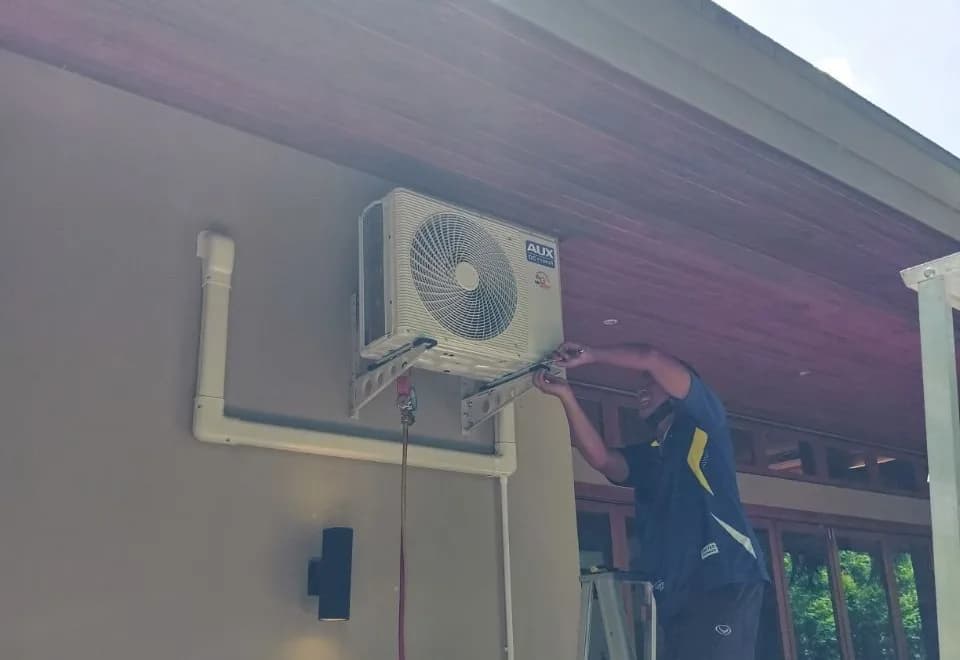
Every air conditioner is run long enough to matter, and its condensate drain checked for the blockage that sends water down a wall. Pool pump, water pump, gate motor, generator, and the car too, because a battery left standing for months in this heat is usually flat when you land. Taps are run so the traps do not dry out.
Photographs with a date on them
You get timestamped photographs, taken from the same positions each visit, so change over months is something you can see rather than something described to you. Anything wrong is shot close up as well as in context. The report says what was checked and what has changed; when nothing did, it says so.
Frequency is a monsoon question
Through the dry season a monthly walk-through catches most things. From May to October it should be more frequent, and there is a case for a check within a day or two of any serious storm, while a lifted tile is still cheap. We agree the schedule with you rather than selling one interval all year.
When it breaks
Something fails while you are ten thousand kilometres away.
This is the part owners lose sleep over. It is mostly a logistics problem, not a technical one.
Finding it first
Almost everything here is found by somebody standing in the house, not by an alert on a phone. A ceiling stain, a compressor that sounds wrong, a smell that means a dry trap or a cracked waste pipe. Found on a visit, it is a repair. Found six months later, it is a room.
Getting a technician to the house
This is the actual work, and it is why distance matters. distances here are deceptive, the good technicians are busy, and arranging one for a Sunday, in Thai, from an overseas phone is not something you should be doing. Somebody meets them, stays for the work, and checks it after.
You set the limit on spending
You agree a figure below which we deal with it and put the receipt in the report, and above which we call you first with a quote. That is what stops a care arrangement drifting into an open account. Every expense is itemised, and nothing disappears into a vague line called maintenance.
Being straight about it
What this service is, and what it is not.
We would rather you knew the limits now than discovered them in your second monsoon.
Nothing has to be rented
Plenty of villas here are family houses that sit empty and will never take a paying guest. That is a perfectly good reason to own one. This service stands on its own: the house is looked after, you are told what is happening, and nobody raises the subject of letting unless you raise it first.
If you do let it later, the house is ready
If you decide at some point that you want the villa to earn, it starts from a better place. A house kept through two wet seasons does not need weeks of remedial work before the first photograph is taken. That is a separate agreement and a separate conversation, and yours to open rather than ours.
We are not a security company
Home watch is not guarding. We do not supply guards or monitor alarms, and a property with a real security requirement needs a firm that does that properly. What visits give you is a house that does not look abandoned: post cleared, gates used, a car that moves. Different thing, still worth having.
When you do not need this
If you are on the island half the year, or a housekeeper lives on the property and knows the house, you already have most of what we sell. Presence is the substance of it. A neighbour with a key is not the same thing, though. That favour tends to end where it turns into work.
Straight answers
What absentee owners ask us.
What is home watch, and how is it different from property management?
How often should an empty villa in Phuket be inspected?
Should I leave the air conditioning running while the villa is empty?
Who holds the key, and how do I know who has been in my house?
Do you cover the whole island?
Reviewed . We update these pages when the practice on the ground changes, not on a schedule.
Also worth reading
Our services
- Villa management in Phuket
- Condo management in Phuket
- Airbnb management in Phuket
- All property management services
- Villa care for absentee owners in Phuket
- Rent out my villa in Phuket
- A second opinion on how your villa is being managed
- Villa maintenance and housekeeping in Phuket
- Home property management in Phuket
- About Phuket Property Manager
- Contact a property management company in Phuket
Guides for owners
- Employing villa staff in Phuket
- Off-plan villa handover in Phuket: the snagging inspection
- How to choose a property management company in Phuket
- Self-managing versus hiring a property manager in Phuket
- Short-term rental rules in Phuket: the 30-day question
- Your rental guarantee is ending. What now?
- Switching property manager in Phuket
- Property management fees in Phuket
- The true cost of running a villa in Phuket
- Property management in Phuket for foreign owners
- Mould and humidity in an empty villa in Phuket
- Water in a Phuket villa: the tank, the pump and the day it runs dry
- Salt corrosion in a coastal villa in Phuket
- Villa air conditioning in Phuket: servicing, faults and who pays
- Villa pool maintenance in the Phuket rainy season
Areas we cover
Residences we already work in
- Anchan Villas: property management for owners
- Botanica villas: property management for owners
- Ayara Surin: property management for villa owners
- Wallaya villas: property management for owners
- Laguna Park: property management for owners
- Two Villas Tara: property management for owners
- The Ozone Residences: property management for owners
- Aristo 2 condo, Surin: Phuket Property Management
- The Regent: Phuket Property Management
Talk to the person who would look after your property.
No call centre, no sales team. We keep the portfolio small on purpose.