
So, you found yourself typing ‘property management คือ’ into Google. You’re not alone. Whether you’ve just bought your first condo in Bangkok or you’re an experienced investor with a portfolio of villas, that simple question, “what is property management?”, is the gateway to a smarter way of handling your real estate assets in Thailand.
You’ve made the investment. You own the property. Now comes the hard part: making it work for you.
So, You Asked Google ‘Property Management คือ’… Let’s Unpack That
What is Property Management, in Plain English?
At its core, property management is the service of overseeing and operating a real estate investment on behalf of the owner. It’s the bridge between you (the landlord) and your tenant. It’s the system that turns a physical asset (your property) into a performing financial asset (a source of income) with the least amount of friction and stress for you.
Forget the jargon for a moment. It’s about having a professional handle all the tasks, headaches, and responsibilities that come with being a landlord.
Think of a Property Manager as Your Investment’s CEO
Here’s the best analogy I’ve ever heard: a property manager is the CEO of your property. You are the owner, the shareholder. You set the ultimate goal (profitability, long-term value), but you hire a CEO to manage the day-to-day operations to achieve that goal.
Does the CEO of a company personally fix the broken coffee machine or chase down every unpaid invoice? No. They hire the right people, implement systems, and focus on the big picture. That’s exactly what a good property manager does for your investment. They handle the late-night calls about a leaking pipe so you don’t have to.
Why This Guide is Your New Best Friend
We wrote this guide for one reason: to give you a comprehensive, no-fluff answer to the question ‘property management คือ what?’. This isn’t a sales pitch. It’s an educational resource for landlords and investors in Thailand who want to understand exactly what they’re paying for, what benefits to expect, and how to choose the right partner to protect and grow their investment.
We’re going to cover everything from finding the perfect tenant to navigating the sometimes-tricky legal landscape in Thailand. Let’s get started.
The Core Four: What Does a Property Manager Actually Do?
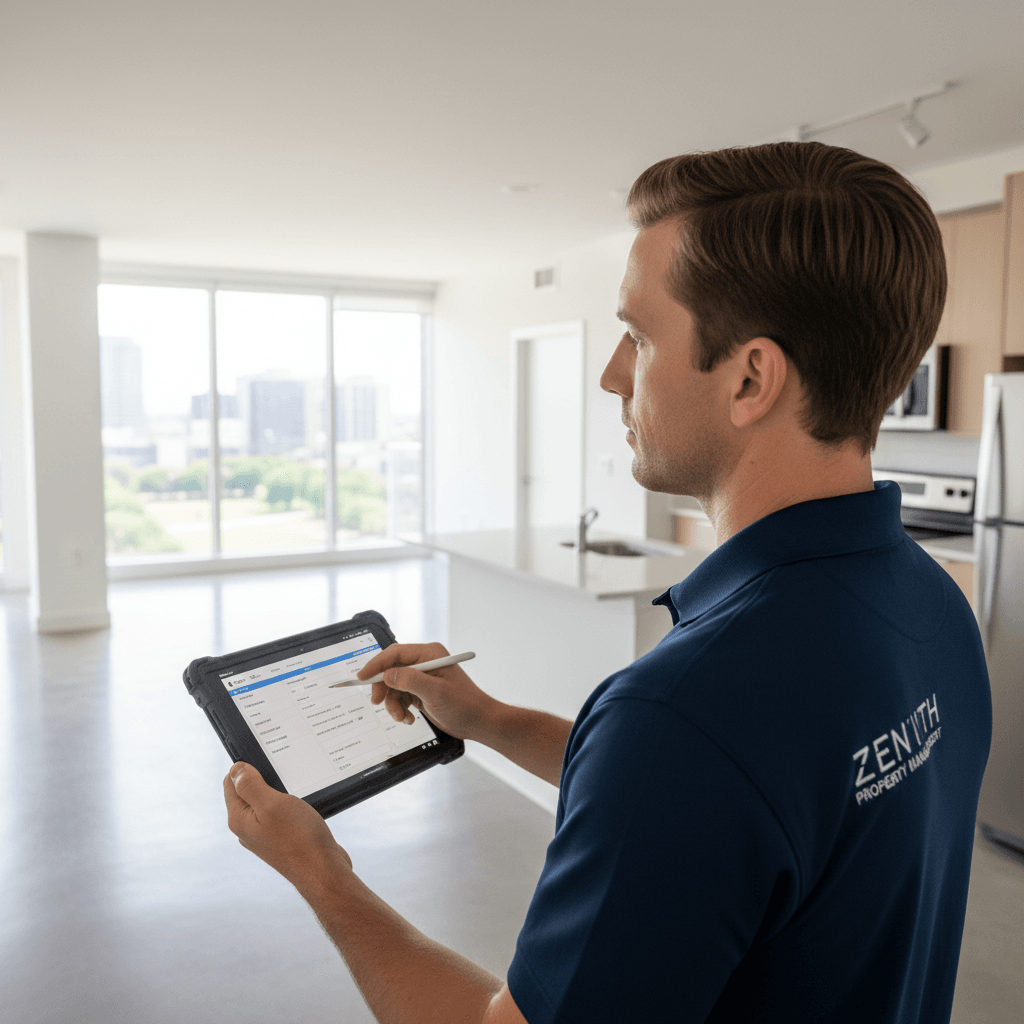
It’s easy to talk in hypotheticals, but what does a property manager actually do day in and day out? Their work typically falls into four critical pillars. These are the engines that keep your investment running smoothly.
1. Marketing Your Property and Finding the Perfect Tenant
A vacant property is a liability, not an asset. A manager’s first job is to minimize vacancy. This isn’t just about putting a “For Rent” sign in the window. It’s a sophisticated marketing operation.
👉 À lire aussi : The Property Management System: Your Business’s…
- Professional Presentation: This starts with high-quality photographs and compelling, accurate property descriptions. In today’s visual world, smartphone photos just don’t cut it.
- Strategic Listings: They know where potential tenants are looking. This means listing your property on major Thai portals like DDProperty and Hipflat, as well as leveraging their own network of agents and international platforms.
- Rigorous Screening: This is arguably the most important step. Finding a tenant is easy; finding a good one is hard. A professional manager conducts a thorough screening process that includes income verification, reference checks, and a review of their rental history. A bad tenent can cost you months of rent and cause thousands of baht in damages.
2. The Money Machine: Rent Collection and Financial Reporting
Let’s be honest: chasing down rent is the part of being a landlord that nobody enjoys. It can be awkward and stressful. A property manager institutionalizes this process, removing the personal element and ensuring consistency.
They handle:
- Market-Based Rent Setting: They use real-time market data to set a competitive rental price that attracts good tenants quickly while maximizing your return. Setting it too high leads to long vacancies; too low, and you leave money on the table.
- Consistent Collection: They have clear, professional systems for collecting rent on time, every time. This includes sending reminders, enforcing late fees as stipulated in the lease, and providing tenants with easy ways to pay.
- Transparent Reporting: Every month, you should receive a clear, easy-to-understand financial statement. This report details the income received and any expenses paid out (like a plumbing repair or a maintenance fee). It’s your property’s profit and loss statement, giving you a perfect overview of your investment’s performance.
3. Keeping Your Investment Safe: Maintenance and Repairs
Your property is a valuable physical asset. Protecting its condition is paramount. A good manager approaches this with a two-pronged strategy: proactive and reactive.
- Proactive Maintenance: This is about preventing problems before they start. Think regular air-con servicing, pest control, and inspecting for potential water leaks. This scheduled upkeep saves you a fortune in the long run by avoiding major emergency repairs.
- Reactive Repairs: When something does break (and it always does), a manager has a network of vetted, reliable, and reasonably priced vendors on call. Plumbers, electricians, handymen, you name it. You don’t have to scramble to find someone trustworthy at 10 PM on a Saturday when your tenant’s water heater fails. The manager makes one call and gets it handled.
4. The Hard Part: Navigating Legal Issues and Evictions
This is where a professional property manager truly earns their fee. Landlord-tenant law in Thailand, primarily governed by the Civil and Commercial Code, has specific rules that must be followed. A mistake here can be incredibly costly.
👉 Pour aller plus loin : Beyond Rent Collection: A Practical Guide to Property…
This is a huge legal responsability. Your manager will:
- Craft Ironclad Leases: They use legally sound lease agreements that protect your interests and comply with all local regulations.
- Enforce Lease Terms: If a tenant violates the terms of the lease (e.g., unauthorized pets, causing disturbances), the manager handles the communication and enforcement process professionally.
- Manage Evictions: In the unfortunate event that a tenant needs to be evicted, there is a strict legal process that must be followed. A property manager understands these procedures intimately, ensuring the process is handled legally and efficiently, minimizing your financial loss and legal risk.

Is It Worth It? The Real Benefits of Hiring a Pro
Okay, the “Core Four” sounds great, but it comes at a cost. So, is it actually worth the management fee? For most investors, the answer is a resounding yes. The value isn’t just in the tasks they perform; it’s in the assets they give back to you: time, money, and peace of mind.
Your Most Valuable Asset: Giving You Back Your Time
What is your time worth? The average self-managing landlord spends between 5 and 10 hours per month, per property, on management tasks. That includes advertising, showing the unit, screening applicants, handling maintenance calls, and bookkeeping.
That’s potentially 120 hours a year. That’s three full work weeks. Imagine what you could do with that time. Focus on your career? Spend it with your family? Find your next great investment property? A manager buys that time back for you.
Better Tenants, Less Vacancy, More Money
This might seem counterintuitive. How does paying someone a fee make you more money? It’s simple economics.
👉 Article recommandé : Property vs. Asset Management: Are You Playing…
Professional managers have a wider marketing reach and a more refined screening process. This leads to higher-quality tenants who are more likely to pay on time, take better care of your property, and stay longer. Longer tenancies mean less turnover, which is one of a landlord’s biggest expenses. Every month a property sits empty while you search for a new tenant is a 100% loss of income.
A good manager can often reduce vacancy periods from a month or more down to just a week or two, which can easily cover the cost of their annual fee.
Avoiding Costly Mistakes and Legal Nightmares
One illegal clause in a lease agreement or one misstep during an eviction process can lead to a legal battle that costs you tens of thousands of baht and endless stress. A professional property manager is your insurance policy against these kinds of rookie mistakes.
They are well-versed in the Thai Civil and Commercial Code and the Condominium Act. They ensure your property is compliant, your lease is fair but firm, and all interactions with tenants are handled by the book. This protection alone is often worth the entire management fee.
👉 Sur le même sujet : Your Property’s Central Nervous System: A Complete…

When Does Hiring a Property Manager Make Sense? A Checklist for Owners
Not every landlord needs a property manager. If you own a single condo in the building you live in and you enjoy the hands-on work, you might be fine on your own. But for many, there comes a tipping point. Here are the most common triggers.
The ‘I Live Too Far Away’ Problem
This is the most obvious one. If you live in Bangkok but own a rental villa in Phuket, effective self-management is nearly impossible. How can you show the property, meet with contractors, or respond to an emergency? A local manager is not a luxury in this case; it’s an absolute necessity.
The ‘I Have Too Many Properties’ Problem
Managing one property is a hobby. Managing three or more is a part-time job. Once your portfolio grows, the administrative burden multiplies. Keeping track of different leases, maintenance schedules, and financial records for multiple propertys can quickly become overwhelming. A manager consolidates all of this under one professional system.
The ‘This Isn’t My Full-Time Job’ Problem
Many real estate investors have demanding careers or run other businesses. They invested in property to build wealth and generate passive income, not to create a stressful second job. If you find that landlord duties are interfering with your primary work or your personal life, it’s time to delegate. Professional managment allows your investment to be truly passive.
👉 Découvrez également : Beyond the Bottom Line: A Five-Sense Approach to…
The ‘I Just Hate the Hassle’ Factor
Let’s be perfectly honest. Some people are simply not cut out for being a landlord, and that’s okay! They don’t enjoy confrontation, they aren’t good with home repairs, and they don’t want to be the one to tell a tenant their rent is late. If the thought of dealing with tenant complaints and maintenance issues fills you with dread, hiring a manager is a smart investment in your own well-being.
Finding Your Perfect Match: How to Choose the Right Property Manager
So you’ve decided to hire a pro. Great! But how do you choose the right one? They are not all created equal. Vetting a property management company is like hiring a key employee. You need to do your due diligence.
First Things First: Licenses, Insurance, and Reputation
Start with the basics. Ensure the company is properly registered and carries liability insurance. Then, hit the internet. Check their Google reviews, look for testimonials on their website, and ask for references from current clients. A reputable company will be happy to connect you with other property owners they work with.
Let’s Talk Money: Understanding Management Fees
You need to understand exactly how they make money. The fee structure is usually straightforward but can have variations:
- Management Fee: A percentage of the collected monthly rent. In Thailand, this typically ranges from 8% to 12%, depending on the property type and level of service.
- Leasing Fee (or Tenant Placement Fee): A one-time fee for finding and placing a new tenant. This is often equal to one month’s rent.
- Other Costs: Ask about any additional fees. Some companies charge extra for coordinating major repairs, handling evictions, or conducting property inspections. Get everything in writing.
The Interview: 5 Critical Questions You Must Ask
When you talk to potential managers, you’re interviewing them for a crucial job. Don’t be shy. Ask tough questions:
- What is your average vacancy rate for properties like mine? (This tells you how effective their marketing is.)
- How do you screen tenants? Can you walk me through your process? (Look for detail and thoroughness.)
- How do you handle after-hours maintenance emergencies? (You want to hear about a clear, 24/7 system.)
- Can I see a sample monthly financial report? (This shows you their level of transparency and professionalism.)
- Under what conditions can I terminate our management agreement? (It’s important to know your exit strategy.)
Read the Fine Print: What to Look for in the Management Agreement
The management agreement is a legally binding contract. Read every single word before you sign it. Pay close attention to:
- Services Included: Make sure everything you discussed is listed in the contract.
- Fee Structure: All fees should be clearly detailed, with no ambiguity.
- Owner vs. Manager Responsibilities: Who is responsible for what? For example, who holds the security deposit?
- Authorization Limits: The contract should specify how much money the manager can spend on a repair without getting your prior approval. A common limit is 5,000 THB.
- Termination Clause: Understand the notice period and any potential penalties for ending the contract early.
The Bottom Line: Is Property Management the Right Move for You?
At the end of the day, the answer to ‘property management คือ what?’ is this: it’s a strategic partnership. It’s about delegating the operational complexities of your real estate investment to a specialist so you can focus on the strategic big picture.
It’s not just an expense; it’s an investment in the long-term health, profitability, and compliance of your asset. It’s the difference between owning a property and owning a stress-free, income-generating investment.
Whether you own a small condo in the city or a luxury villa in Phuket the principles are the same. Take a hard look at your situation: your distance from the property, the size of your portfolio, your available time, and your tolerance for hassle. The answer of whether you need a property manager will become crystal clear.
FAQ
What exactly is property management?
Property management is the professional oversight of real estate, like a house or condo, on behalf of the owner. The primary goal is to maintain the property’s condition and value while ensuring it generates consistent income. Think of it as hiring an expert to handle all the daily tasks of being a landlord.
What are the main responsibilities of a property manager?
A property manager’s key duties include marketing the property to find qualified tenants, collecting monthly rent, and handling all maintenance and repair requests. They also manage tenant relations, enforce lease agreements, and ensure the property complies with all local laws and regulations.
Why should a property owner consider hiring a property manager?
Hiring a property manager saves you valuable time and reduces the stress of managing a rental, especially if you live far away or have a busy schedule. Their expertise can lead to better tenants, fewer vacant periods, and proper handling of legal issues. This professional oversight helps protect your investment and maximize your return.
How much do property management services typically cost?
The cost varies, but most property management companies charge a monthly fee that is a percentage of the collected rent, often between 8% and 12%. Some may also charge separate fees for tasks like finding and placing a new tenant. It’s always important to understand the full fee structure before signing an agreement.