
The call comes at 3:17 AM. You grope for your phone, heart pounding, already knowing it can’t be good news. It’s your tenant. Through a haze of static and panic, you make out the words: “…water everywhere… the ceiling… it’s coming down!”
Every landlord has a version of this nightmare. The burst pipe, the midnight lockout, the neighbor dispute, the rent check that never arrives. These are the moments when you question everything about your investment. You bought property to build wealth, not to become a 24/7 crisis manager.
This is where property management enters the picture. But for too many owners, it’s viewed through the wrong lens. We shop for it like we shop for car insurance, hunting for the lowest possible price. We see that 8% or 10% monthly fee as a necessary evil, a cost to be minimized at all costs.
That’s a profound mistake. A cheap property manager is an expense. A great one is a profit-driving investment that will increase your ROI far more than the fee you pay them.
This guide is your blueprint for telling the difference. We’re moving beyond the basics of rent collection and finding a handyman. We’re going to dissect what truly good property management looks like, giving you the specific insights and tough questions needed to hire a genuine partner for your portfolio.
Stop Thinking of Property Management as a Cost Center
The 3 AM Phone Call Every Landlord Dreads
Let’s go back to that call. A cheap manager might take hours to respond. They might call the first plumber they find on Google, who charges emergency rates. You’ll get a vague update the next day, followed by a shocking bill. The damage is worse, the tenant is furious, and your profit for the next six months just evaporated.
A great manager, on the other hand, already has a trusted, 24/7 plumber on their roster who provides preferred rates. They calm the tenant, dispatch help immediately, and send you a concise report by morning with photos, a plan of action, and an estimated cost. They turn a catastrophe into a managed problem.
Shifting Your Mindset: From Expense to Investment
See the difference? One costs you money, time, and sanity. The other protects your asset and preserves your cash flow. The management fee is the price of admission, but the value delivered is what determines whether it’s a cost or an investment.
You wouldn’t hire the cheapest surgeon or the cheapest lawyer. Why would you entrust a six or seven-figure asset to the lowest bidder? The goal isn’t to find the cheapest management; it’s to find the one that delivers the highest net return to you, the owner.
What This Guide Will Actually Teach You
We’re going to break down the four pillars of excellent property management. These are the non-negotiable functions that separate the pros from the amateurs. For each one, we’ll give you the inside track on what to look for and what to run from. By the end, you’ll be able to interview a potential manager with the confidence of a seasoned pro.

Pillar 1: Proactive Communication That Actually Informs
This might be the single biggest differentiator. Ineffective managers operate in a black box. You have to chase them for information, leaving you wondering about the status of your own investment.
👉 À lire aussi : The Landlord’s Playbook: How to Choose the Right…
The End of Chasing for Updates
Good management isn’t reactive; it’s proactive. You shouldn’t have to call to ask if rent has been paid or if a repair was completed. This information should be delivered to you automatically. A crisp, easy-to-read monthly financial statement should land in your inbox like clockwork, detailing all income and expenses for the period.
Using Technology as a Bridge, Not a Barrier
In 2024, a dedicated online owner portal is not a luxury; it’s a requirement. This is your 24/7 window into your property. You should be able to log in at any time and see:
- Real-time financial dashboards
- Copies of all bills and invoices
- Active maintenance requests with status updates
- Lease documents and tenant information
- Detailed inspection reports with photos
Technology should empower you with information, not create a barrier between you and the manager.
Radical Transparency: The Good, The Bad, and The Ugly
Here’s a secret: a great manager isn’t afraid to deliver bad news. In fact, they do it quickly. They know that hiding a problem only makes it worse. When a tenant gives notice, a major appliance fails, or an eviction becomes necessary, they will call you immediately. But they won’t just bring you the problem; they’ll bring you a proposed solution.
Think of them like a great financial advisor for your property. An advisor doesn’t just call when the market is up; they call to rebalance your portfolio when conditions change. A property manager’s honesty, especially when things go wrong, is one of their most valuable assets.

Pillar 2: Financial Acumen That Boosts Your Bottom Line
A property manager is the CEO of your real estate investment. Their financial decisions directly impact your profitability. This is where the amateurs are quickly weeded out.
👉 Pour aller plus loin : Property Management Unlocked: Your A to Z Guide on…
Strategic Rent Setting: More Art Than Science
Setting the right rent is a delicate balance. Too high, and you face a prolonged, costly vacancy. Too low, and you leave thousands of dollars on the table each year. A top-tier manager doesn’t just guess or pull a number from Zillow’s “Zestimate.”
They perform a detailed Comparative Market Analysis (CMA), just like a real estate agent does for a sale. They analyze currently listed, pending, and recently rented properties with similar features in your immediate neighborhood. They adjust for amenities, condition, and market trends to pinpoint the optimal rent that maximizes income while minimizing vacancy days.
The War on Vacancy: Your Biggest Profit Killer
Every single day your property sits empty, you are losing money. A great manager is obsessed with minimizing this downtime. Their strategy is multi-pronged:
- Professional Marketing: Smartphone pictures don’t cut it. They invest in high-quality, professional photography and write compelling ad copy that highlights your property’s best features.
- Maximum Exposure: They syndicate the listing across dozens of websites, from the big players like Zillow and Apartments.com to local platforms.
- Efficient Turnover: The moment a tenant gives notice, the “make-ready” process begins. They have a checklist and a team of vendors ready to go. Painting, cleaning, and minor repairs should be completed in a matter of days, not weeks.
Meticulous Expense Management and Vendor Relationships
This is a huge, often overlooked area. A lazy manager will just call any vendor and pass the full cost (sometimes with a 10-15% upcharge) directly to you. A savvy manager leverages their portfolio to build relationships.
They have a roster of vetted, insured, and affordable plumbers, electricians, and handymen who provide quality work at preferred rates because of the volume of business the manager sends them. This is especially critical in unique markets. We often see in places like Phuket that having local, trusted vendors is absolutly critical for timely and cost-effective repairs on vacation propertys.
👉 Article recommandé : The Success Property Management Playbook: 7 Pillars of…
Pillar 3: Masterful Tenant Relations and Retention
The quality of your tenant is the number one predictor of your success as a landlord. And keeping a great tenant is far more profitable than finding a new one every 12 months.
The Iron-Clad Tenant Screening Process
The best way to handle an eviction is to never have one in the first place. This starts with a rigorous, non-discriminatory screening process that verifies every applicant against a strict set of criteria. This isn’t optional; it’s your primary defense.
A professional screening process always includes:
- Credit Check: Looking for a strong score (e.g., over 680) and a history of on-time payments.
- Nationwide Criminal Background Check: Screening for relevant criminal history.
- Eviction History Search: The best predictor of a future eviction is a past one.
- Income Verification: Requiring pay stubs or bank statements to prove income is at least 3x the monthly rent.
- Landlord Reference Checks: Calling past landlords to inquire about payment history and their experience with the tenant.
Responsive Maintenance That Builds Goodwill
Happy tenants pay rent on time and renew their leases. And what’s the number one driver of tenant happiness? Responsive maintenance. When a tenant’s sink is leaking, they want to feel heard and respected.
A modern management company provides a simple, app-based system for submitting maintenance requests. They acknowledge the request quickly and keep the tenant informed about the schedule for the repair. This simple act of communication builds immense goodwill and can dramatically increase tenant retention.
👉 Sur le même sujet : From Landlord to CEO: The Definitive Guide to Building…
Navigating Legal Minefields with Confidence
Landlord-tenant law is a complex web of local, state, and federal regulations. One misstep can lead to a costly lawsuit. A good manager is fluent in these laws. They know the correct way to handle security deposits, the proper notice to provide for entry, and how to legally procede with an eviction if it becomes unavoidable. This expertise protects you from enormous legal and financial risk.
Pillar 4: Meticulous Asset Protection and Maintenance
Your property is a valuable asset. Its value can either appreciate through careful stewardship or decline through neglect. Good property management is fundamentally about asset protection.
The Power of a Preventative Maintenance Schedule
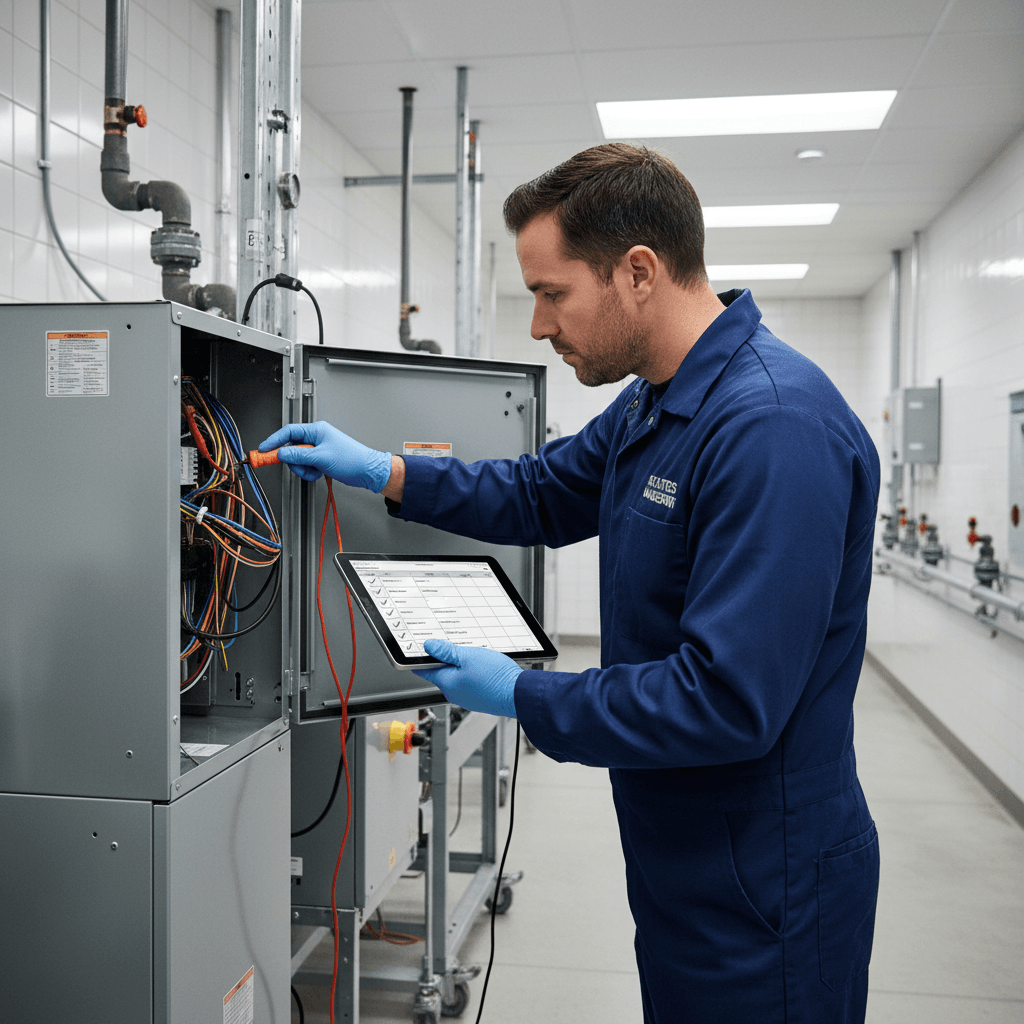
Fixing things when they break is reactive. Protecting your asset is proactive. A great manager implements a preventative maintenance schedule to address small issues before they become catastrophic failures. This includes things like:
- Biannual HVAC servicing to extend the life of the unit.
- Annual gutter cleaning to prevent roof damage and water intrusion.
- Scheduled pest control to avoid infestations.
- Checking for small leaks under sinks and around toilets.
Spending $150 to service an AC unit can prevent a $5,000 replacement. This is where a manager provides immense value.
Move-In/Move-Out Inspections That Leave No Room for Doubt
Security deposit disputes are one of the biggest headaches for landlords. The key to winning any dispute is documentation. A professional manager conducts hyper-detailed move-in and move-out inspections.
👉 Découvrez également : PMM Property Management Explained: The Modern…
We’re not talking about a simple checklist. We mean a report with hundreds of time-stamped photos and videos, documenting the exact condition of the property from floor to ceiling. This irrefutable doccumentation is your ultimate protection and ensures you can rightfully deduct for any tenant-caused damage beyond normal wear and tear.
Vendor Management That Saves You Money and Headaches
As we mentioned earlier, a great PM company’s vendor relationships are a superpower. Because they manage hundreds of properties, they can negotiate bulk pricing and priority service that an individual owner could never access. They ensure every vendor is properly licensed and insured, protecting you from liability. They handle the hassle of scheduling, follow-up, and payment, saving you countless hours.
Warning Signs: How to Spot Ineffective Property Management
Now that you know what to look for, it’s just as important to know what to avoid. Keep an eye out for these massive red flags during your interview process.
Vague Fees and a Nickel-and-Dime Mentality
A confident, professional company has a simple, transparent fee structure. Be extremely wary of companies with a low monthly percentage but a long list of add-on fees. Watch out for charges for lease renewals, maintenance coordination, inspections, or administrative tasks. It’s a sign they can’t win on value, so they compete on a misleadingly low price.
The Communication Black Hole
Here’s the ultimate test: if they take more than 24 hours to return your call or email when they are trying to win your business, how do you think they’ll treat you once you’ve signed a contract? Their responsiveness during the sales process is the absolute best it will ever be. If it’s poor now, run away. Fast.
A ‘One-Size-Fits-All’ Approach
Real estate is intensely local. A large national chain with a cookie-cutter approach might not understand the nuances of your specific market. Managing a luxury vacation rental in Phuket requires a completely different skill set, marketing strategy, and vendor network than managing a duplex in Cleveland, Ohio. Local expertise and deep market knowlege are non-negotiable.
Ask them this direct question: “What is your property-to-manager ratio?” If a single portfolio manager is juggling more than 100 properties, it is physically impossible for your investment to get the proactive attention it deserves.
Your Final Checklist: Questions to Ask Any Potential Property Manager
You’re ready to start interviewing. Treat it like you’re hiring a key executive for your company. Go in prepared with this list of powerful questions that cut right to the heart of their competency.
- What is your average vacancy period or “days on market” for a property like mine?
- Can you walk me through your complete tenant screening process, step by step?
- Could you provide me with a sample owner’s financial statement and a sample move-in inspection report?
- How do you handle after-hours maintenance emergencies? What is your protocol?
- What are all the fees I will be charged? Please list everything beyond the monthly management percentage.
- Tell me about a difficult tenant situation or eviction you handled and what the outcome was.
- How often do you conduct property inspections, and what do they entail?
Choosing a property manager is one of the most critical financial decisions you’ll make for your investment portfolio. It’s not the time to bargain hunt. It’s the time to find a strategic partner who will protect your asset, maximize your revenue, and eliminate your headaches.
Don’t settle for “good enough.” Use this guide to find a manager who proves that truly good property management isn’t an expense. It’s the best investment you can make.
FAQ
What are the primary responsibilities of a good property manager?
A great property manager acts as the primary point of contact for your rental, handling everything from marketing the property and screening tenants to collecting rent and coordinating maintenance. Their main goal is to protect your investment, maximize your return, and minimize your stress by managing the day-to-day operational tasks.
How does a good property management company find and screen quality tenants?
Effective tenant screening is crucial and goes beyond a simple application. A professional manager will conduct comprehensive background checks, verify income and employment, check credit history, and contact previous landlords to ensure they find reliable, responsible tenants who are likely to pay rent on time and care for your property.
How should a property manager handle maintenance and repairs?
A top-tier manager should have a trusted network of licensed and insured vendors to handle repairs promptly and cost-effectively. They will manage all communication, coordinate schedules, and often conduct routine inspections to proactively identify potential issues before they become expensive problems.
What qualities should I look for when hiring a property manager?
Look for a manager who demonstrates excellent communication, transparency in their fees and financial reporting, and deep knowledge of the local rental market. They should be organized, responsive, and have a solid track record with positive reviews from other property owners.