
You bought an investment property. Congratulations! You found a manager to handle the tenants and toilets, and now you can just sit back and watch the equity build and the cash flow roll in, right?
If only it were that simple.
This is the exact moment where many investors, both new and experienced, make a critical and costly mistake. They hear the term “management” and assume it’s a one-size-fits-all service. They hand over the keys and expect wealth to magically appear. But they’re confusing two fundamentally different roles: property management and asset management.
Using these terms interchangeably is like confusing a pawn with a queen. It reveals a misunderstanding of the game itself.
Here’s the simplest way to frame it: Property management is checkers. Asset management is chess.
Checkers is about the immediate move. It’s tactical, reactive, and focused on the piece directly in front of you. Chess, on the other hand, is about the entire board. It’s strategic, proactive, and requires thinking five moves ahead to win the entire game. In your real estate portfolio, you need to be playing chess.
In this article, we’re going to pull back the curtain on these two critical functions. We will define each role, pinpoint their key differences, show you how they work together, and help you figure out what your portfolio truly needs to not just survive, but to genuinely thrive.
What is Property Management? The Nuts and Bolts of Day-to-Day Operations
Think of the property manager as the Captain of a single ship. They are on deck, hands-on, navigating the immediate waters. Their job is to keep the ship clean, the engine running, and the passengers (your tenants) happy. They are consumed with the day-to-day realities of that specific vessel.
This role is profoundly tactical and operational. It’s about maintaining the status quo and solving problems as they arise, ensuring the property functions smoothly and generates its expected income, month after month.
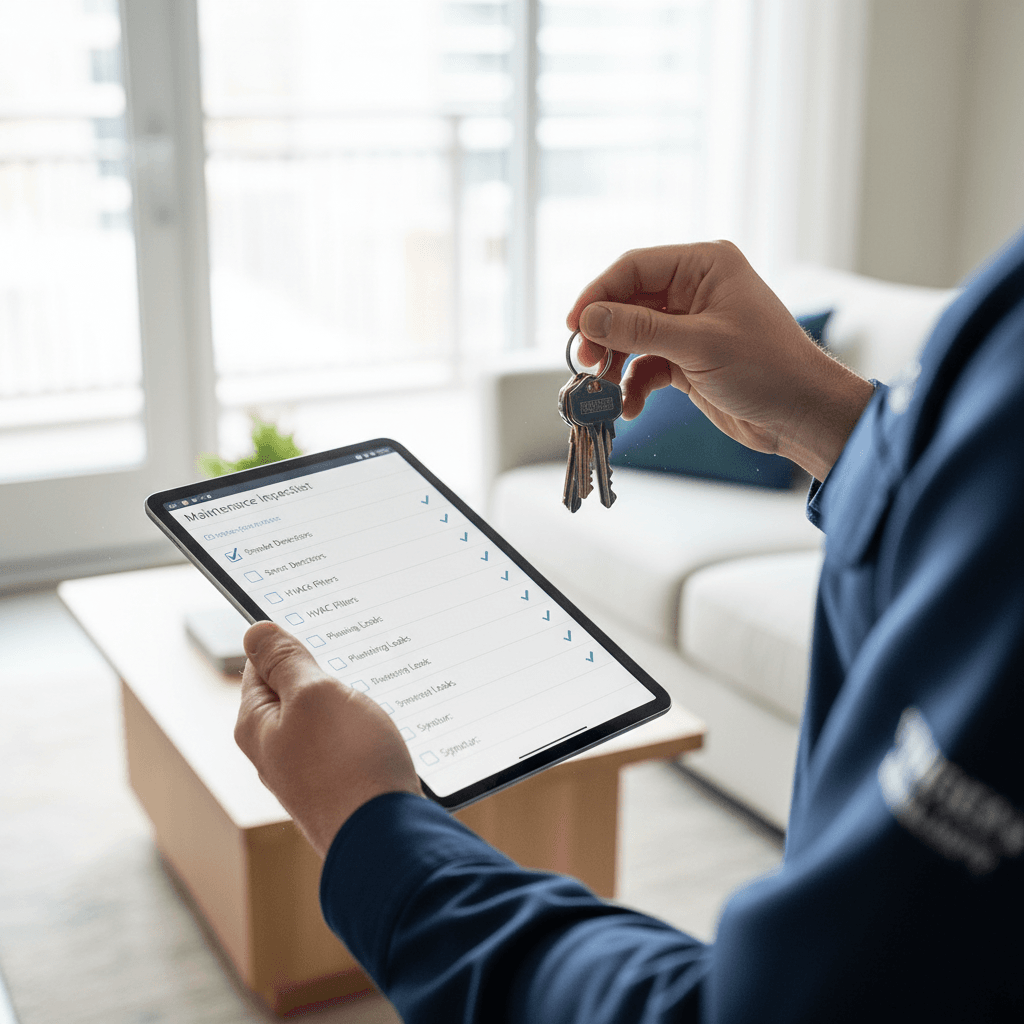
Core Responsibilities of a Property Manager
A property manager’s world revolves around the physical building and the people in it. Their to-do list is long, varied, and often unpredictable. Here’s what’s on their plate:
👉 À lire aussi : The Success Property Management Playbook: 7 Pillars of…
- Tenant Logistics: This is the big one. It includes marketing vacant units, conducting showings, running comprehensive background and credit checks, and managing the entire lease signing proccess.
- Rent Collection: They are responsible for collecting rent on time, every time. This also means chasing late payments, enforcing late fees as stipulated in the lease, and handling the uncomfortable conversations so you don’t have to.
- Maintenance and Repairs: From a leaky faucet at 3 AM to coordinating landscapers and scheduling annual HVAC servicing, the PM is the single point of contact for all physical maintanence issues. They keep the property in good working order.
- Tenant Relations: They handle complaints, mediate disputes between neighbors, and serve as the professional buffer between you and the tenants.
- Legal and Compliance: This includes navigating the complex web of local, state, and federal landlord-tenant laws, managing evictions when necessary (a legally fraught process), and ensuring the property is up to code.
- Financial Reporting: They provide you with monthly statements detailing income and expenses, so you have a clear picture of the property’s operational cash flow.
When Do You Absolutely Need a Property Manager?
Not every investor needs a property manager from day one, but there are clear tipping points where self-management becomes a liability. You almost certainly need one if:
- You own more than one or two properties. The complexity doesn’t just add up; it multiplies.
- You live far from your investment. Managing a duplex across town is one thing. Trying to manage a luxury villa in Phuket from an office in Europe is a logistical nightmare waiting to happen.
- You lack the time or desire. Let’s be honest. Do you really want to spend your Saturday screening applicants or fielding a call about a broken dishwasher? Your time is valuable.
- You’re not an expert in landlord-tenant law. One mistake during an eviction or a fair housing violation (even an unintentional one) can cost you tens of thousands of dollars.
The Telltale Signs of a Great Property Manager
A good property manager collects rent. A great one protects and optimizes your investment at the ground level. The difference is huge.
A great property manager isn’t just a rent collector; they are a risk mitigator and an efficiency expert.
Look for these signs. A great PM has an impressively low vacancy rate (they know how to market and turn units quickly). They are master communicators, providing clear, concise reports without you having to chase them. They leverage technology, offering online portals for tenants to pay rent and for you to view statements. And most importantly, they have a deep, vetted network of reliable and reasonably priced contractors, saving you from getting gouged on repairs.
What is Asset Management? The 30,000-Foot View of Your Portfolio
If the property manager is the Captain of the ship, the asset manager is the Fleet Admiral or the Portfolio Architect. They aren’t swabbing the decks or polishing the brass. They are in the command center, looking at maps of the entire ocean, analyzing weather patterns (market trends), and making high-level decisions about the entire fleet.
Their focus isn’t on a single leaky faucet. It’s on the long-term financial performance and strategic value of the entire portfolio. This is the “chess” part of our analogy. It’s about wealth generation, not just income maintenance.
📖 Lire aussi : Beyond the Bottom Line: A Five-Sense Approach to…

The Strategic Functions of an Asset Manager
An asset manager’s work is analytical, financial, and forward-looking. They answer the big “what if” and “what’s next” questions for your investments.
- Market and Submarket Analysis: They dive deep into economic data, demographic shifts, and local development plans to understand where the market is headed. Should you buy more in this neighborhood or sell?
- Acquisition and Disposition Strategy: They identify undervalued properties that fit the portfolio’s goals. Just as importantly, they determine the optimal time to sell a property to maximize returns, perhaps through a 1031 exchange to defer taxes and acquire a larger asset.
- Capital Expenditure (CapEx) Planning: This is a massive part of their job. They answer questions like: “Should we invest $50,000 in a new roof and updated kitchens now? If so, what rent increase can we achieve, and what will the return on that investment be over five years?”
- Financing and Capital Structure: They analyze debt, negotiate with lenders, and decide when to refinance a property to pull out equity for a new acquisition or to lower monthly payments and increase cash flow.
- Performance Measurement: They go way beyond simple cash flow. They track metrics like Internal Rate of Return (IRR), Return on Equity (ROE), and overall portfolio valuation to measure true wealth creation.
- Creating the Business Plan: For each property, the asset manager creates a comprehensive business plan outlining the goals for the asset, whether it’s a simple cash-flow hold or a complex value-add project.
How Asset Management Directly Impacts Your ROI
This is where the magic happens. A property manager can keep your property’s net operating income (NOI) stable. An asset manager’s job is to make it grow.
A smart stratigic decision, like identifying that a neighborhood is about to gentrify, can lead to a value-add renovation that doubles the property’s value in three years. A savvy refinancing move can unlock $200,000 in tax-free capital that becomes the down payment on your next acquisition. By analyzing utility bills across the portfolio, an asset manager might implement a water-saving program that cuts expenses by 10%, adding thousands directly to the bottom line and increasing the property’s overall valuation.
Do You Need an Asset Manager, a Property Manager, or Both?
The answer depends entirely on the scale and complexity of your goals.
📖 Dans le même thème : Property Management Unlocked: Your A to Z Guide on…
- Single-Family Rental: You likely only need a great property manager. You will be acting as your own asset manager, making the big decisions about when to sell or refinance.
- Small Multifamily (2-10 units): You definitely need a property manager. You might still act as your own asset manager, but this is where the lines begin to blur and professional advice can be valuable.
- Large Multifamily or Commercial Portfolio: You absolutely, unequivocally need both. The complexity of managing a 50-unit apartment building or a portfolio of retail spaces demands a professional team for both the day-to-day operations and the high-level strategy.
Many larger firms offer integrated property and asset management services, which can be an incredibly effective model, ensuring seamless communication between the on-the-ground team and the strategic planners.
The Symbiotic Relationship: How They Work Together for Maximum Impact
These two roles aren’t in competition; they are two sides of the same coin. They are partners in your success.
Let’s use one more analogy. The Property Manager is the engine of a high-performance car, ensuring all the pistons are firing, the oil is clean, and the tires are properly inflated. The Asset Manager is the driver with the GPS, setting the destination (your financial goals) and choosing the fastest, most efficient route to get there. You need both to win the race.

A Real-World Scenario: The Apartment Building Turnaround
Imagine an investor buys a tired, 40-unit C-class apartment building. Here’s how the team works together:
📖 Vous aimerez aussi : Your Property’s Central Nervous System: A Complete…
- The Asset Manager (The Chess Player): The AM analyzed the market and saw that a major tech company is opening a campus two miles away. They create a business plan: invest $300,000 in capital improvements ($7,500 per unit) to upgrade kitchens, bathrooms, and add an outdoor amenity space. The goal is to reposition the building to attract young tech professionals and increase rents by 25% over 24 months.
- The Property Manager (The Captain): The PM takes this strategic plan and executes it. They coordinate with contractors to renovate units as they become vacant, minimizing downtime. They manage the tenant communication during the noisy construction phase. They then market the newly renovated units at the higher target rent, highlighting the new amenities and proximity to the tech campus.
The AM made the strategic decision. The PM made it a reality. That’s teamwork.
The Data Feedback Loop: From Tenant Complaint to Portfolio Strategy
The information flow between these roles is a powerful, continuous loop. It’s not a one-way street.
The property manager reports that over the past year, 10 tenants have complained about the outdated, tiny gym (this is crucial ground-level data). The tenant turnover rate for the building is 35%, slightly higher than the market average.
The asset manager takes this data. They don’t just hear “complaint”; they see an opportunity. They run the numbers. A $30,000 gym renovation could be a key selling point. They project that this investment will reduce costly turnover by 15% and support a 5% rent increase across all units upon renewal. They approve the project as a capital expenditure.
A simple tenant complaint was transformed into a data-driven, ROI-positive portfolio decision. That is the power of integrated property and asset management.
📖 Article connexe : From Paradise to Profit: A Foreign Owner’s Guide to…
Choosing the Right Partner for Your Investment Goals
Finding the right team is paramount. You are not just hiring a vendor; you are entrusting someone with a multi-million dollar asset. You need to ask the right questions to vet them properly.
Key Questions to Ask a Potential Property Management Company
These questions are tactical and focused on their operational expertise.
- What is your detailed tenant screening process? Can I see a sample background check?
- What is your average time-to-fill a vacancy in this market?
- How do you handle after-hours maintenance emergencies?
- Can I see a sample monthly financial statement and owner’s report?
- What property management software do you use?
- What are all the fees I will be charged? (Management fee, leasing fee, renewal fee, etc.)
Key Questions to Ask a Potential Asset Management Firm
These questions are strategic and focused on their financial acumen and market knowledge.
- What is your 5-year outlook for this specific submarket (e.g., the luxury rental market in Phuket)? Why?
- Show me a case study of a value-add project you’ve managed from acquisition to disposition. Walk me through the numbers.
- How do you measure portfolio performance beyond cash-on-cash return?
- What is your primary responsability to me as the owner, and how do you report on it?
- How do you source and underwrite potential new acquisitions?
The In-House vs. Outsourced Debate
For very large institutions and family offices, it can make sense to build an in-house team to handle both functions. They have the scale to justify the overhead of salaries, benefits, and office space.
However, for the vast majority of individual investors and small investment groups, outsourcing these functions to specialized, third-party firms is the most efficient and effective path. It gives you access to world-class expertise and established systems without the headache and expense of building it all yourself.
Conclusion: From Landlord to Strategic Investor
To truly build generational wealth through real estate, you have to evolve. You must stop thinking like a landlord (playing checkers) and start thinking like a portfolio strategist (playing chess).
Property management is essential. It keeps your investment safe, stable, and operational. It protects you from the daily fires and legal landmines of owning property. But it is fundamentally a defensive game.
Asset management is what makes your investment grow. It’s the offensive strategy that actively increases the value of your portfolio, maximizes your returns, and builds your wealth over the long term.
Stop just managing your properties. It’s time to start managing your wealth. Assess your portfolio today and ask yourself: am I playing the right game?
FAQ
What’s the main difference between property management and asset management?
Think of property management as the day-to-day, hands-on operations of a building, like collecting rent, handling maintenance, and managing tenants. Asset management is the bigger financial picture; it focuses on maximizing the property’s value as an investment through strategic decisions about financing, acquisitions, and long-term capital improvements.
What core services does a property manager provide?
A property manager handles the essential operational tasks for a rental property. This typically includes marketing vacant units, screening potential tenants, managing lease agreements, collecting rent, and coordinating all maintenance and repair requests to keep the property in good condition.
Why should I hire a professional manager instead of managing my property myself?
Hiring a professional saves you significant time and can reduce stress by handling tenant issues and late-night emergencies. They also bring expertise in landlord-tenant law, which helps ensure legal compliance, and often have a network of reliable vendors for maintenance, potentially saving you money on repairs.
How are property management fees typically structured?
The most common fee structure is a percentage of the monthly rent collected, usually ranging from 8% to 12%. Some managers may charge a flat monthly fee instead. Be sure to also ask about potential extra charges for services like leasing a vacant unit, overseeing major renovations, or handling an eviction.